By Maartje Wijffelaars, senior economist Rabobank
Oil prices rose again yesterday, reaching a session high of about $105 per barrel as Iran struck tankers – an outcome our 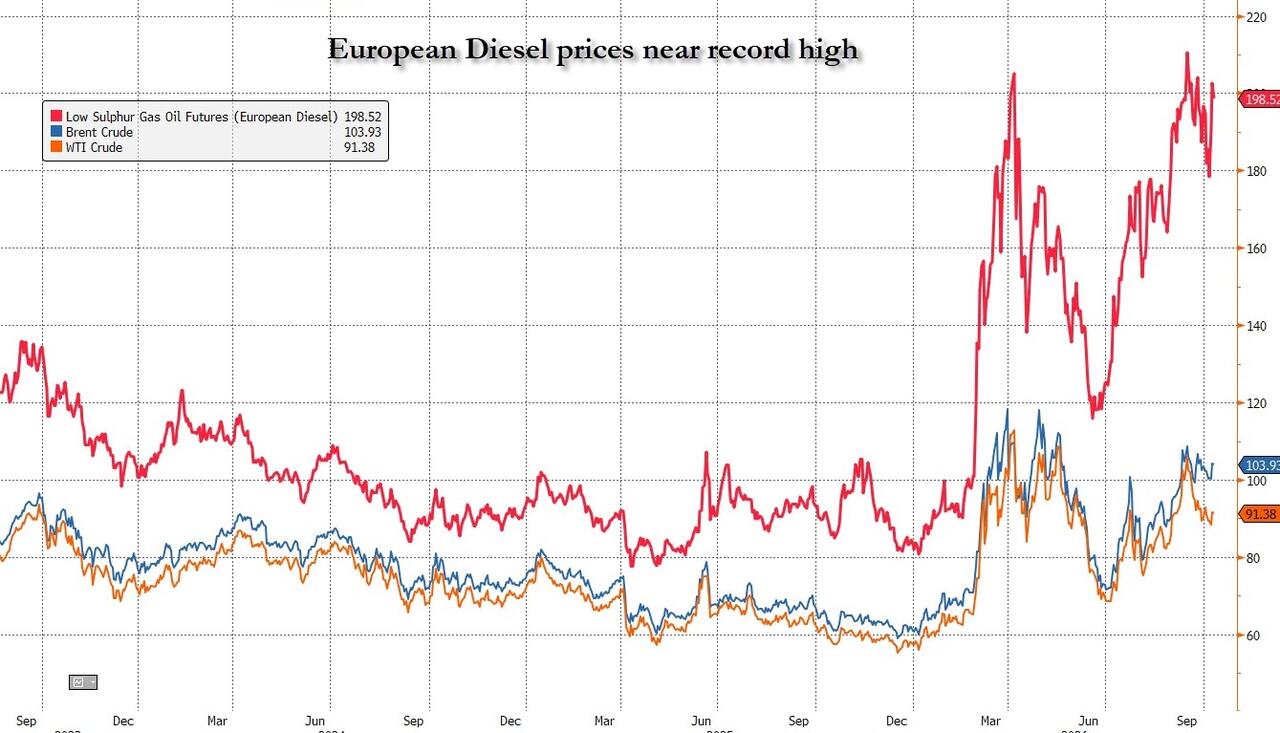
US yields initially moved with oil prices but decoupled in the early evening, supported by stronger-than-expected demand for 30-year Treasuries. The strong auction pushed yields lower across the curve, led by the long end. The bid-to-cover ratio was 2.54x, above the one-year average, with strong foreign demand. This followed Wednesday’s strong 10-year auction, whose 2.77x bid-to-cover ratio was the highest since 2014 and also reflected particularly strong foreign demand. The 10-year Treasury yield ended the day pretty much stable at 5.2%, arguably a sign that yield levels have reached a point where real money investors are seeing them as more attractive despite the risks.
In Europe, the OAT-Bund spread edged up to close to last week’s post GFC-peak and 38% of French high-grade corporate debt is now said to yield less than government bonds owing to lower perceived credit risk. The French government has yet to reassure markets on its budget plans amid growing protests and political uncertainty ahead of next year’s presidential election.
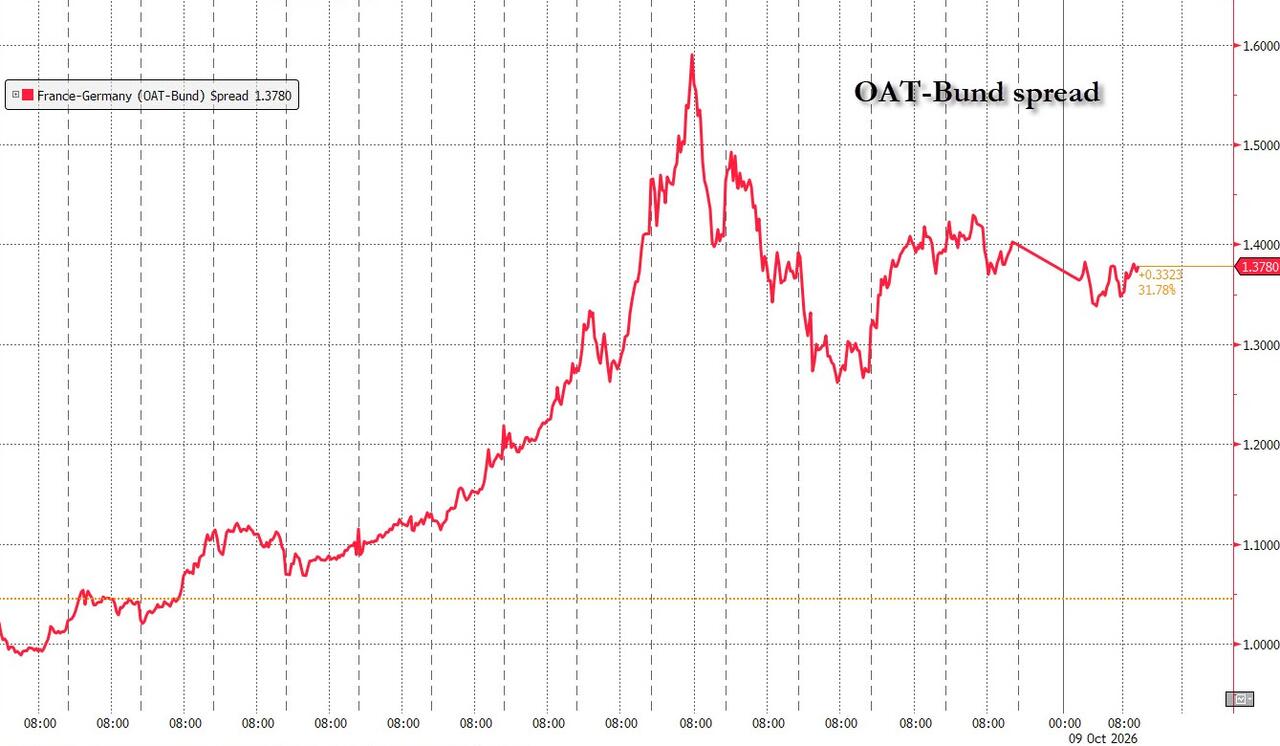
Still, although risks remain, most of the widening appears to be over for now. The spread seems to have become attractive to buyers of French debt, given the belief that France is too big to fail and the availability, if needed, of instruments and programmes created since the previous debt crisis, including the ESM, OMT and TPI. Against this backdrop, ECB President Lagarde reiterated that the ECB has instruments to counter unwarranted market dynamics, while Governing Council member Moulin and French finance minister Lescure said the conditions for direct intervention are not currently met.

Lagarde’s comments were expected, as we wrote in Monday’s our view.
Higher government bond yields and growing concerns about growth have pushed eurozone bank shares significantly lower in recent days: the Stoxx 600 Banks index fell as much as 2.2% on Thursday after Wednesday’s 3.3% decline, although some recovery is visible this morning. Banks with relatively high sovereign-bond exposure are bearing the brunt of the sell-off. On aggregate, domestic government bonds make up a relatively large share of Italian balance sheets.